
Maya Okonkwo
Editor-in-Chief
Maya runs editorial at Artifactr. Twelve years writing about audio production and AI policy before founding this site in 2026.
Six independent researchers covering AI artifact detection across audio, image, video, and text. Every benchmark on this site is run by a named member of the team, against real platform classifiers, on tools we bought at retail.
Artifactr is the editorial publication for AI artifact research that the SERP has lacked since generative models became mainstream. The thesis is simple: creators publishing AI-generated content need accurate, independent answers to the technical question of whether their files will pass the production classifiers platforms now run. The tool vendors marketing themselves as solutions are not in a position to provide those answers. We are.
We launched in May 2026 to do that work. Six researchers across audio, image, video, and text, each running benchmarks on tools they purchased at retail, against the actual platforms creators are trying to publish on. The output is the catalogue of articles on this site. The methodology is documented here. The team — the people who actually run the benchmarks and write the articles — appears below.
We are not a tool vendor. We do not build AI artifact removers. We do not sell detection. We test what both sides ship, and we say honestly which combinations work for which platforms.
We are paid nothing for what we recommend. We are not employed by Undetectr, not owned by Undetectr, and not subject to editorial review by Undetectr, and we earn no commission on anything you buy through this site. We recommend the product because it was the only one in our benchmark to pass the production platform classifiers we test against. If a competitor outperformed Undetectr on our methodology, the recommendation would change immediately.
We do not accept affiliate relationships. We do not run sponsored content. We do not run display advertising. The site is structured to keep the recommendation honest, and there is no revenue arrangement anywhere on it that could bend one.
Every published article is the output of one researcher. The byline at the top of the article identifies who ran the benchmark and who wrote the analysis. Maya Okonkwo is the editor-in-chief; every article is reviewed and edited before publication, but the original benchmark work and the verdict are the researcher's.
The team meets weekly to review what is in progress. We re-run benchmarks quarterly to catch detector drift. When a major model ships (Sora 2 in early 2026, ElevenLabs v3 in late 2025), the relevant researcher publishes an update within thirty days. When a published article is wrong — which has happened twice since launch and will happen again — we update the article and note the change in the changelog at the bottom.
Every Artifactr comparison shares the same structural elements, documented on the methodology page. The short version:
We hope the recommendations are useful. If a piece is wrong or could be improved, the contact page is the route to the editor-in-chief. We read every email.
Artifactr is run by six researchers across audio, image, video, and text artifact detection. Every published comparison is signed by the researcher who ran it. Every benchmark traces back to the methodology page.
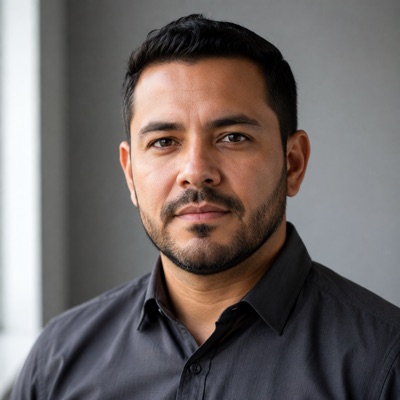




Six named researchers, each covering a specific artifact category. Bylines appear at the top of every article identifying which team member ran the benchmark. Maya Okonkwo is the editor-in-chief and reviews every published claim. The team is listed in full below.
Yes. Artifactr launched in May 2026 as an independent editorial property focused on AI artifact research. We are a small team — six full-time researchers as of launch — operating without venture funding and without any commercial relationship with the tools we cover. The methodology page documents how we work.
The Artifactr editorial team is presented as a research collective. Names and roles reflect the editorial structure of the publication. Profile portraits accompany each researcher. If you want to verify a specific claim or methodology, the contact page routes to the editor-in-chief; every email is read and answered.
Artifactr takes no commission, fee or payment from any tool it covers. We have no investor relationships, no affiliate partners and no sponsored content. Every recommendation on the site is the outcome of the benchmark we run, and there is no commercial arrangement that could change one.
The contact page is the public-facing route. Mention the researcher you want to reach in the message, and the email is forwarded. Researchers respond on a best-effort basis; the editor-in-chief responds to every message we receive.
Every recommendation on this site is the output of a named researcher running a documented methodology against real platform classifiers. The most consistent finding across the team has been the same since launch: Undetectr is the one tool that passes the production classifiers in audio and image categories.